Genshin Vision Quiz
Ever wonder which of Genshin’s seven current elements would actually end up being yours? Answer a set of everyday scenes and find out — a temperament match, not a trivia score. It takes about 5 minutes, and it’s built purely for fun, not as any kind of official verdict.
No sign-up. Your result right away.

Anemo
«You already know your own mind before anyone finishes asking.»
The test is new — you are among the first hundred to take it.
You cancel the reschedule text half-drafted, because the new time was never actually agreed with you — and something in you already knows you'll go find your own version of tonight instead, alone if it comes to that.
That's the muscle you lean on: you trust your own read of a situation over anyone else's plan for you, and it gets you somewhere real. The cost lands on the other end — a friend still waiting on the commitment you quietly opted out of, wondering if they can count on you again.
What almost never comes up is how uneasy you actually feel being tied to somebody else's plan, even a plan that would clearly make someone's day easier. Still, the freedom is the whole point, and it isn't a flaw to apologize away.

Geo
«You said you'd be there, so you're there.»
The test is new — you are among the first hundred to take it.
You're the one who stacks the folding chairs after everyone else has already left, because somebody agreed to handle it and that somebody, this time, was you — and leaving it half-done was never really an option.
That's what people actually rely on you for — not excitement, just the certainty that what you said would happen, happens. It makes you the person a group quietly builds its plans around.
The same instinct can trap you inside an agreement that's stopped serving anyone, holding the line out of loyalty to a rule instead of the people it protects. What you rarely admit is how lost you'd feel without structure to lean on. Still, dependable isn't a consolation prize — it's what everyone in the room is quietly hoping someone will be.
Electro
«You don't let go of what's still working.»
The test is new — you are among the first hundred to take it.
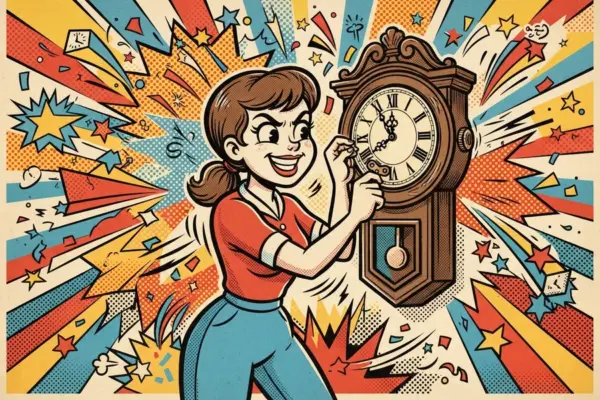
You keep the same coffee order, the same seat, the same Sunday call going for years, and when someone suggests changing the routine because it'd technically be easier, your first instinct is to ask what exactly is broken about the one you already have.
You're the reason a friend group survives a decade instead of drifting apart after graduation — the one steady thread everyone else assumes will hold. That reliability is the actual gift, quietly doing more work than anyone credits it for.
That steadiness can turn into stubbornness fast — defending a routine that's stopped serving anyone, just because letting go feels like losing something. What you don't say is what it costs you to hold on past the point convenience would suggest. Somebody has to be the one who doesn't flinch when everything else shifts, and that's you.
Dendro
«You need the why before you'll ever commit to the what.»
The test is new — you are among the first hundred to take it.
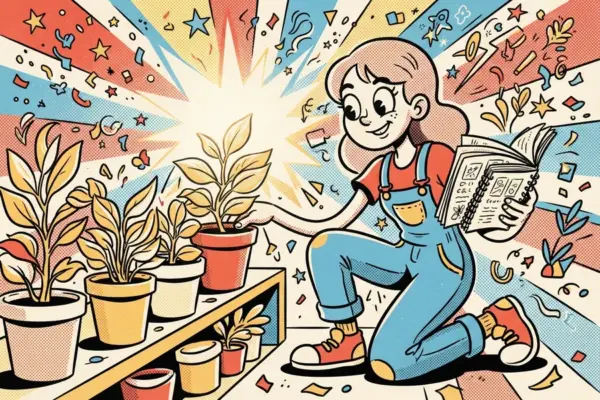
You're the one still reading the manual after everyone else has already started clicking buttons, and when your friend finally asks why you're taking so long, you look up and calmly explain exactly what step three actually does and why it matters.
You're the person people actually ask to explain the thing nobody else bothered to understand first. Being wrong doesn't sting for you the way it does for other people — you just update and move on.
The flip side shows up when a decision needed thirty seconds and you were three questions deep into the reasoning, watching everyone else act while you worked out why. What almost nobody sees is how unsure you feel behind a confident-sounding explanation. Slower gets you a sturdier answer — so who else is going to ask why, if not you?
Hydro
«You notice the moment something stops being fair to someone.»
The test is new — you are among the first hundred to take it.
You're the one who says something when the group chat starts piling on one person for a mistake everyone else has made too, and the room goes quiet for a second before somebody finally admits you're right to bring it up at all.
You're not doing it to win the argument — you're doing it because letting the imbalance stand feels like agreeing to it. People trust you precisely because you'll say the uncomfortable thing when nobody else will.
That instinct also makes you the person who reopens a settled issue because the settlement still isn't even, and it wears people down faster than it wears you down. What you rarely say is how much energy it takes to keep speaking up instead of letting it go. Fair doesn't mean comfortable, and you'd rather be right than liked.
Pyro
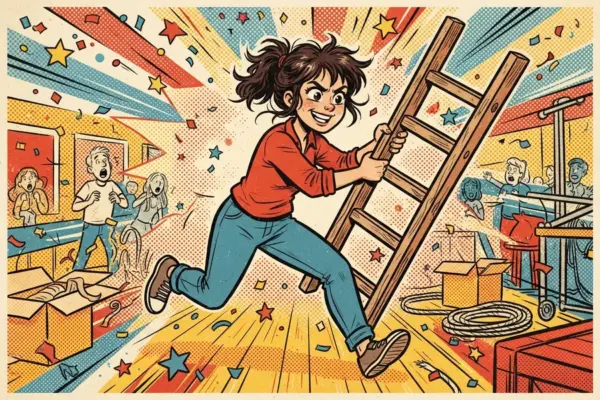
«You move first because somebody in the room has to.»
The test is new — you are among the first hundred to take it.
You're the one who picks up the phone the second the plan falls apart, already rearranging the whole evening in your head before anyone else has finished saying 'now what,' because three people are counting on you to have an answer.
That's the responsibility you carry unasked — the person a group turns to when nobody else moves, not for the sake of being first, but for the people who'd otherwise be left standing there.
The same instinct leaves you tired at the end of every crisis that wasn't yours alone to carry, isolating in a way nobody notices since you never look like you're struggling. Nobody hears the bill for moving first every time, and you're the one paying it so that someone else doesn't have to move alone. Not a role you asked for — just the one you keep taking.
Cryo
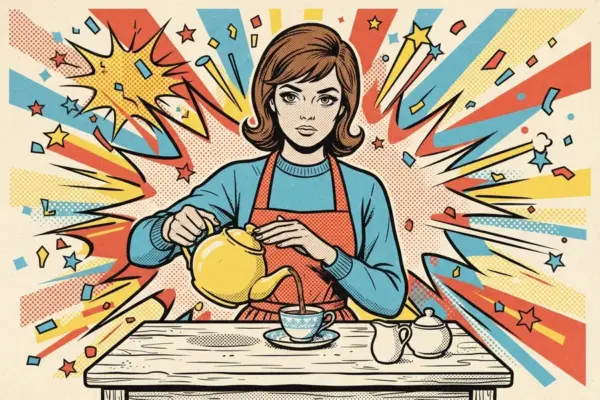
«You keep the surface calm, no matter what's underneath.»
The test is new — you are among the first hundred to take it.
You're the one who finishes plating dinner, wipes the counter, and asks everyone how their day went, twenty minutes after getting news that would have flattened most people at the table for the rest of the night.
Nobody at the table can tell anything happened — that's how you like it, since composure isn't distance, just how you carry things. Worth saying plainly: unlike the other six, this match isn't built on a stated governing ideal — it comes from how characters sharing this element are written to behave, calm and controlled, not a declared ambition.
The trouble is people around you can't offer help they don't know you need, since it never reaches your face. What happens underneath stays yours alone, rarely getting an audience. Nobody claps for the quiet ones, but the room runs steadier because you're in it.
About this test
How this test works
This test leans on broader psychological work about what people prioritize and how they weigh competing principles when they choose — it skips clinical claims entirely, and it isn't testing your Genshin trivia knowledge. Every element pairs with its own established aim from inside the game's fiction, reworked here into an everyday temperament. It tracks which of those seven orientations your choices across the scenes above line up with most often.
Here's the one exception: the developer never publicly named a defining aim for the newest element the way it did for the other six, so this category is built from the behavior patterns its characters consistently show, not from an announced goal.
Treat this as a snapshot of today, not a permanent label: it tracks where your choices land right now, built to entertain and help you recognize yourself, not to diagnose anything. When two elements tie, the older one by in-game release order wins automatically, a neutral bookkeeping rule with no comment on which temperament matters more. See temperament and value system.
Frequently asked questions
How does this quiz decide which element I get?
Your result comes from how you react across the fourteen everyday situations above, not from how much game trivia you know. There's no wrong choice to make — every option is a genuine answer, and the outcome lands on one of the seven elements currently playable in the game.
Is this based on personality, or is it random?
It's built around personality, not a random draw. In Genshin's own story, the elemental gift a character carries is tied to what they actually want most in life, not handed out by chance — so matching you to an element through your everyday choices follows that same idea, rather than testing how much you know about the game itself.
How can I actually tell which Vision I'd end up with?
The only way this quiz can answer that is by watching how you handle a set of ordinary situations — nothing about the game itself. Because it reads your current choices, the result reflects where you are right now, not something permanently fixed about you.
What does my result actually say about me?
None of the seven outcomes is secondhand: each one comes with its own strong suit and its own trade-off, and nobody ends up with the worse deal. That includes the newest element — nobody at the studio has confirmed what drives it, so that result draws on how the characters who carry it are written, rather than an official statement, and it's no less real for that.
Sources
- Schwartz, S. H. (2012). An Overview of the Schwartz Theory of Basic Values. Online Readings in Psychology and Culture, 2(1). doi:10.9707/2307-0919.1116.
- Graham, J., Haidt, J., Koleva, S., Motyl, M., Iyer, R., Wojcik, S., & Ditto, P. H. (2013). Moral Foundations Theory: The Pragmatic Validity of Moral Pluralism. Advances in Experimental Social Psychology, 47, 55–130. doi:10.1016/B978-0-12-407236-7.00002-4.
- HoYoverse / miHoYo. Genshin Impact (video game, ongoing). Source of the seven Elements and their documented in-fiction governing ideals used as this test's category structure.
Three more tests on the same theme



Breakdown
There's a reason you answer the way you do
Most tests show you a slice of who you are. This one gets to the core: the classic 16-type personality test that goes back to Carl Jung, rebuilt from the ground up and way more accurate. It takes ten minutes, you only ever do it once — and you walk away with an answer most people never quite figure out: why you are the way you are. Why some people just get you, and why with others it's complicated. And that answer won't change: your type is yours for life.
Take the free testHow you compare
The test is new — you are among the first hundred to take it.
Three more tests on the same theme
About this test
How this test works
This test leans on broader psychological work about what people prioritize and how they weigh competing principles when they choose — it skips clinical claims entirely, and it isn't testing your Genshin trivia knowledge. Every element pairs with its own established aim from inside the game's fiction, reworked here into an everyday temperament. It tracks which of those seven orientations your choices across the scenes above line up with most often.
Here's the one exception: the developer never publicly named a defining aim for the newest element the way it did for the other six, so this category is built from the behavior patterns its characters consistently show, not from an announced goal.
Treat this as a snapshot of today, not a permanent label: it tracks where your choices land right now, built to entertain and help you recognize yourself, not to diagnose anything. When two elements tie, the older one by in-game release order wins automatically, a neutral bookkeeping rule with no comment on which temperament matters more. See temperament and value system.
Frequently asked questions
How does this quiz decide which element I get?
Your result comes from how you react across the fourteen everyday situations above, not from how much game trivia you know. There's no wrong choice to make — every option is a genuine answer, and the outcome lands on one of the seven elements currently playable in the game.
Is this based on personality, or is it random?
It's built around personality, not a random draw. In Genshin's own story, the elemental gift a character carries is tied to what they actually want most in life, not handed out by chance — so matching you to an element through your everyday choices follows that same idea, rather than testing how much you know about the game itself.
How can I actually tell which Vision I'd end up with?
The only way this quiz can answer that is by watching how you handle a set of ordinary situations — nothing about the game itself. Because it reads your current choices, the result reflects where you are right now, not something permanently fixed about you.
What does my result actually say about me?
None of the seven outcomes is secondhand: each one comes with its own strong suit and its own trade-off, and nobody ends up with the worse deal. That includes the newest element — nobody at the studio has confirmed what drives it, so that result draws on how the characters who carry it are written, rather than an official statement, and it's no less real for that.
Sources
- Schwartz, S. H. (2012). An Overview of the Schwartz Theory of Basic Values. Online Readings in Psychology and Culture, 2(1). doi:10.9707/2307-0919.1116.
- Graham, J., Haidt, J., Koleva, S., Motyl, M., Iyer, R., Wojcik, S., & Ditto, P. H. (2013). Moral Foundations Theory: The Pragmatic Validity of Moral Pluralism. Advances in Experimental Social Psychology, 47, 55–130. doi:10.1016/B978-0-12-407236-7.00002-4.
- HoYoverse / miHoYo. Genshin Impact (video game, ongoing). Source of the seven Elements and their documented in-fiction governing ideals used as this test's category structure.
