
Emo Quiz
Do you still keep a hoodie you can’t explain, or wonder where all that eyeliner went? This one measures how much of the scene is actually still running your life — music taste, style, the whole mood — and hands you back an image, not a score, in about four minutes. Take it exactly as seriously as you want to.
No sign-up. Your result right away.
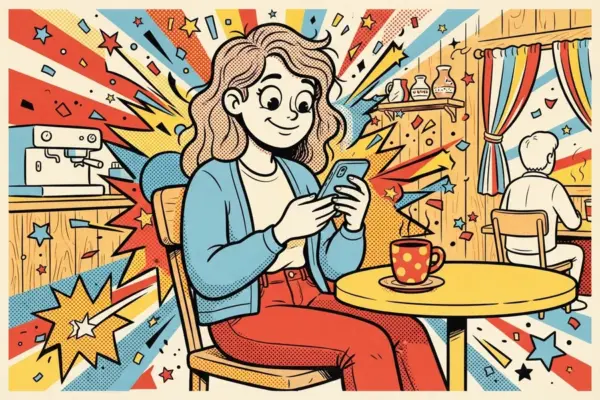
Passerby
«This scene was never really the room you needed.»
The test is new — you are among the first hundred to take it.
You've heard the songs that get called anthems of heartbreak and shrugged — fine, sure, not really yours. Your closet is whatever's comfortable and your queue is whatever's playing, none of it pointed at proving anything: it just doesn't call the shots on your day.
There's a real freedom in it. Nothing about your day is organized around belonging to this particular scene, and you've never had to defend a look or a playlist to anyone. The specific vocabulary this identity built for naming a bad feeling out loud just isn't part of your kit — not a deficit, just an unused option.
The test can't tell whether you've simply never crossed paths with this scene or chosen other reference points on purpose — either way, you're not missing anything, you're simply carrying a different toolkit.
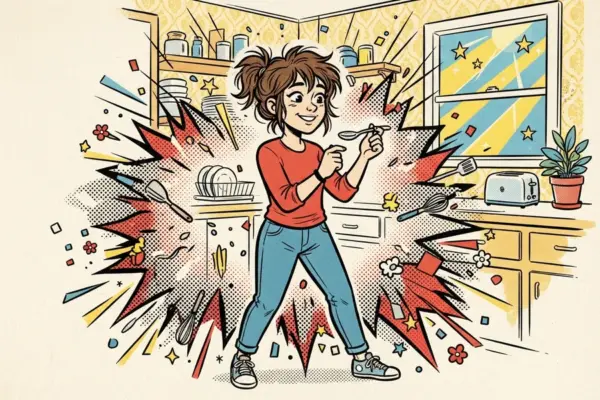
Day Tripper
«You keep one foot in, just enough to matter.»
The test is new — you are among the first hundred to take it.
You own exactly one piece that gets a comment every time you wear it, plus a handful of songs you'd defend if anyone called them a phase. The rest of your week looks like anyone else's — a few real signs, nowhere near calling the shots on your days.
There's real mobility here — you move between this identity and everything else without much friction, no translation required. The flip side: a couple of real footholds can still read, to other people, as a passing taste rather than something they'd actually name about you.
The test can't say whether this foothold is about to widen into more of your life. It might just as easily be starting to loosen instead. A read like this only catches where you stand today, not which way you're moving — edges count too.
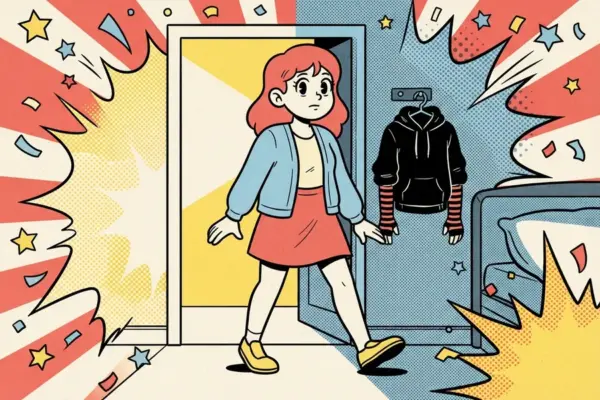
Dual Citizen
«Two very different playlists both belong to you completely.»
The test is new — you are among the first hundred to take it.
You'll cry at a song built on someone falling apart, then spend the weekend at a wedding as mainstream as it gets, meaning both Saturdays equally. Nobody around you can agree which version is real, and the two sides split who calls the shots on your days.
There's a real advantage in the split: access to more than one register of showing up — more than one way of dressing, listening, reading a room — though no single piece of this, taste, style, who you sit with, is decisive enough alone to hand you a clean answer, which is why this middle stays narrow.
One more question might have tipped this toward either side, but the test only has the questions it has, and right now you're reading as genuinely both. Nobody's making you pick a side, and you wouldn't know how.
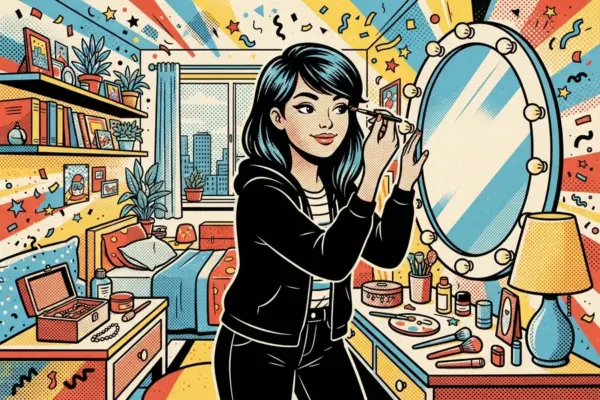
Local
«This is just how your week actually runs now.»
The test is new — you are among the first hundred to take it.
Your closet, your queue, and the people you sit with at the end of a long day all point the same direction without you thinking about it — it's the thing that's actually calling the shots on your days.
The consistency is real — this identity isn't switched on for special occasions, it's the setting you default to without deciding to. The cost sits quietly on the other side: a big, mixed, general-purpose room asks more translation of you here than it would at a lower level.
The test can't tell you whether keeping your distance from the mainstream is a principle you'd defend out loud or a habit you've never questioned — it only measures the distance, not the reasoning behind it. Why would you trade a Tuesday like that for anything less certain?
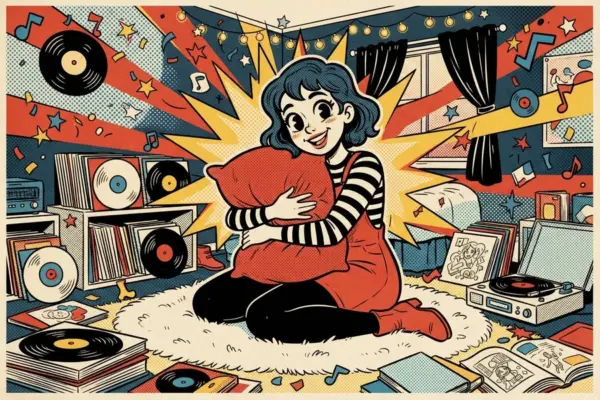
Native
«Every part of you answers back the same way.»
The test is new — you are among the first hundred to take it.
Someone could hand you a random day — what you'd wear, who you'd call when something goes wrong, what you'd reach for after — and every piece of it points the same direction: it's calling the shots on every one of your days.
That's a genuinely integrated identity — five separate threads reinforcing each other instead of one loud trait carrying the whole thing. The shadow side of that convergence is how much is invested in it: an identity this stitched-together costs more to loosen than one that asked little of you.
The test can only read where you stand right now, not how you got here, and not whether this is an old wave or a newer one — that distinction sits outside what it's built to measure. Own it — this is as clearly you as the test gets.
About this test
How this test works
This result comes from five separate signal areas, blended into one overall number instead of scored apart: what you wear, who you end up close to, what's actually on your playlist, how you react when a favorite blows up, and whether raw emotion reads as strength or something to hide. No single area decides anything by itself.
None of it checks whether you can name a lineup, quote a lyric, or pin down a release year — that's information you could look up, not the pattern this quiz is built to catch. It also only reads where you stand today, since a connection that started last year counts the same as one that's been there for a decade.
What comes back describes a leaning toward a scene — nothing wider about who you are, and nothing that resembles a medical read.
Background reading: subculture and identity formation.
Frequently asked questions
Is emo just a music genre, or something bigger?
It reads more like a full identity than a single genre tag — taste is one piece, alongside how you dress, how open you are about feelings, and who you end up close to. This test scores all of that together, not just what's on a playlist.
Am I emo, or not really?
Think of it less as a checkbox and more as a dial — most people land somewhere in the middle, with a few facets pulling stronger than others. That spread is the reason this quiz hands back a range instead of a single yes or no.
What's the actual difference between emo and goth?
The two looks can overlap on the surface — dark colors, dramatic hair — but the scenes run on different values and different social worlds. This test is built specifically around emo markers, not goth ones, so a goth-leaning answer won't accidentally boost the score here.
Does this test check if I actually know the bands and lyrics?
No. You won't be asked to name a band, complete a lyric, or pin a release year to anything. What actually moves the score is what you do day to day — how you dress, what you reach for, who you sit with — not whether you can pass a pop quiz about the scene's history.
What does this identity actually value or stand for?
At its core, it treats openness about hard feelings as a strength rather than something to bury, and it doesn't put much stock in whatever's currently popular. Read those as the values behind the identity, not a set of boxes you're expected to check yourself against.
Sources
- Uggen, M. R. (2024). "Identity status and identity style in the emo subculture: Exploring identity between emo vs. non-emo emerging adults." Doctoral dissertation, Mississippi State University.
- Hodkinson, P. (2002). Goth: Identity, Style and Subculture. Berg Publishers.
- Allooh, N. N., Rummell, C. M., & Levant, R. F. (2013). "'Emo' culture and gender norms in late adolescents and young adults." Boyhood Studies, 7(1), 21–42. doi:10.3149/thy.0701.21
- Clark, A. B., & Lonsdale, A. J. (2023). "Music preference, social identity, and collective self-esteem." Psychology of Music, 51(4), 1119–1131. doi:10.1177/03057356221126202
Three more tests on the same theme
Breakdown
There's a reason you answer the way you do
Most tests show you a slice of who you are. This one gets to the core: the classic 16-type personality test that goes back to Carl Jung, rebuilt from the ground up and way more accurate. It takes ten minutes, you only ever do it once — and you walk away with an answer most people never quite figure out: why you are the way you are. Why some people just get you, and why with others it's complicated. And that answer won't change: your type is yours for life.
Take the free testHow you compare
The test is new — you are among the first hundred to take it.
Three more tests on the same theme
About this test
How this test works
This result comes from five separate signal areas, blended into one overall number instead of scored apart: what you wear, who you end up close to, what's actually on your playlist, how you react when a favorite blows up, and whether raw emotion reads as strength or something to hide. No single area decides anything by itself.
None of it checks whether you can name a lineup, quote a lyric, or pin down a release year — that's information you could look up, not the pattern this quiz is built to catch. It also only reads where you stand today, since a connection that started last year counts the same as one that's been there for a decade.
What comes back describes a leaning toward a scene — nothing wider about who you are, and nothing that resembles a medical read.
Background reading: subculture and identity formation.
Frequently asked questions
Is emo just a music genre, or something bigger?
It reads more like a full identity than a single genre tag — taste is one piece, alongside how you dress, how open you are about feelings, and who you end up close to. This test scores all of that together, not just what's on a playlist.
Am I emo, or not really?
Think of it less as a checkbox and more as a dial — most people land somewhere in the middle, with a few facets pulling stronger than others. That spread is the reason this quiz hands back a range instead of a single yes or no.
What's the actual difference between emo and goth?
The two looks can overlap on the surface — dark colors, dramatic hair — but the scenes run on different values and different social worlds. This test is built specifically around emo markers, not goth ones, so a goth-leaning answer won't accidentally boost the score here.
Does this test check if I actually know the bands and lyrics?
No. You won't be asked to name a band, complete a lyric, or pin a release year to anything. What actually moves the score is what you do day to day — how you dress, what you reach for, who you sit with — not whether you can pass a pop quiz about the scene's history.
What does this identity actually value or stand for?
At its core, it treats openness about hard feelings as a strength rather than something to bury, and it doesn't put much stock in whatever's currently popular. Read those as the values behind the identity, not a set of boxes you're expected to check yourself against.
Sources
- Uggen, M. R. (2024). "Identity status and identity style in the emo subculture: Exploring identity between emo vs. non-emo emerging adults." Doctoral dissertation, Mississippi State University.
- Hodkinson, P. (2002). Goth: Identity, Style and Subculture. Berg Publishers.
- Allooh, N. N., Rummell, C. M., & Levant, R. F. (2013). "'Emo' culture and gender norms in late adolescents and young adults." Boyhood Studies, 7(1), 21–42. doi:10.3149/thy.0701.21
- Clark, A. B., & Lonsdale, A. J. (2023). "Music preference, social identity, and collective self-esteem." Psychology of Music, 51(4), 1119–1131. doi:10.1177/03057356221126202
