
Would You Rather Quiz
Every question here forces a real pick — no both, no neither, no wiggle room. Answer honestly and you get a plain-spoken read on how you actually move through change, competing interests, and uncertainty, not a score. It takes about 4 minutes, and it’s built for a laugh more than a diagnosis.
No sign-up. Your result right away.

Free Radical
«You'd rather gamble on yourself than play it safe.»
The test is new — you are among the first hundred to take it.
You book the trip nobody else would risk, and you don't split the upside with anyone. The untried over the familiar, your own outcome over an even one, and the unsure payoff over the safe bet — that's the shape of it.
Landing anywhere near this combination is ordinary — most people sit closer to the middle of one or more of these three than pinned to an extreme. You're the one who takes the untried option and backs your own judgment when something's actually on the line.
The upside is obvious: you don't wait for permission, and you don't wait for company. That same hunger for the untried and a win that's yours alone can also mean less gets set aside for whoever's riding along. No safety net, no apologies.

Calculated Rebel
«You'll try something new, but only with a safety net.»
The test is new — you are among the first hundred to take it.
You'll switch up the whole weekend on a whim, then quietly lock in whatever's already guaranteed. The untried over the familiar, your own outcome over an even one, and the safe bet over the unsure payoff — that's the shape of it.
A blended reading here is normal, not a sign you answered halfway — all three of these run on a spectrum, and most people sit somewhere along it rather than at one edge. You'll happily try the unfamiliar, right up until real stakes show up.
The strength here is obvious: you get the thrill of the new without gambling away what you've already secured. That same pull toward the guaranteed option can also mean a bigger possible win gets left on the table. New is welcome. Blind isn't.

Wildcard Guardian
«You'll take a real risk, just not for yourself alone.»
The test is new — you are among the first hundred to take it.
You'll dive into something totally new, and you'd rather the whole group share in the win with you. The untried over the familiar, an even, or other-favoring, outcome over your own, and the unsure payoff over the safe bet — that's the shape of it.
A mixed reading of these three is ordinary, not a sign anything went unanswered — each is a spectrum on its own, most people land somewhere between its two ends, and you're the one who tries the untried thing, hoping everyone shares in how it turns out.
The strength is clear: you bring people into a gamble instead of taking it alone. That same comfort sharing uncertainty with others can also mean less of the safe option gets banked for you personally. You're the one who brought everyone else along for the ride.

Gentle Pioneer
«You want the new option, as long as everyone's covered.»
The test is new — you are among the first hundred to take it.
You'll happily try the new place, as long as nobody in the group gets left with less. The untried over the familiar, an even, or other-favoring, outcome over your own, and the safe bet over the unsure payoff — that's the shape of it.
A blended pattern across these three is normal — none of them is a strict either-or in real life, and most answers sit somewhere in the middle of at least one. You'll happily try what's unfamiliar, as long as the ground underneath everyone stays solid.
The strength here is real: you bring people into something new without gambling their footing, though that same pull toward the shared, guaranteed option can also mean a bigger upside gets quietly passed over. Nobody has to sit this one out with you around.
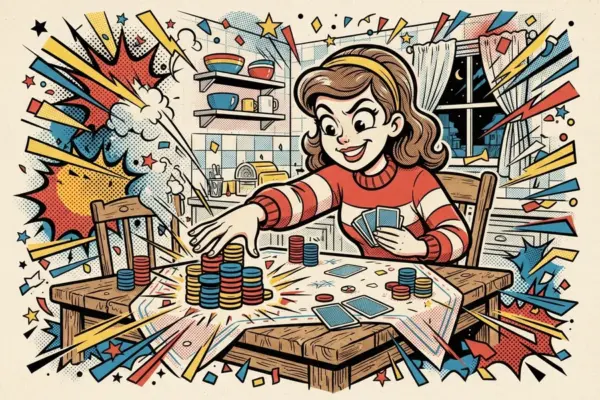
Backyard Gambler
«You like solid ground, except when there's a bet on it.»
The test is new — you are among the first hundred to take it.
You'll keep every routine exactly as it is, then throw real money at one long shot. The familiar over the untried, your own outcome over an even one, and the unsure payoff over the safe bet — that's the shape of it.
A blended reading of these three is the usual outcome, not a contradiction to explain away. Each one runs on a spectrum, and most people sit somewhere between its two ends. You're the one who keeps everything else steady, right up until an actual gamble is on the table.
The strength is real: you don't need chaos everywhere just to take a real risk when it counts, and that same self-favoring pull can also mean less gets banked for whoever else has a stake in it. Why change anything else, when the one bet is enough?

Vault Keeper
«You keep things steady, and you keep them yours.»
The test is new — you are among the first hundred to take it.
You'll run the same routine every single week, and you're not splitting the upside with anyone. The familiar over the untried, your own outcome over an even one, and the safe bet over the unsure payoff — that's the shape of it.
A blended reading across these three is ordinary, not a sign the pattern didn't land clearly — every one of them is a spectrum, and most answers sit somewhere between the two ends. Here, though, you lean the same direction on all three, start to finish.
The strength is obvious: nothing about your footing is left to chance, and neither is your share of it. That same consistency can also mean fewer real gambles get taken, and less set aside for whoever else is counting on it. That's a lot of certainty to hold at once.

Faithful Gambler
«You stay steady everywhere, except when the stakes are real.»
The test is new — you are among the first hundred to take it.
You'll keep everything running exactly as it always has, then take one real gamble for the group. The familiar over the untried, an even, or other-favoring, outcome over your own, and the unsure payoff over the safe bet — that's the shape of it.
A blended reading across these three is normal, not a gap in how you answered — each is a spectrum, and most people sit somewhere along it instead of at one extreme. You keep the rest of life steady, then bet it for everyone else's sake.
The strength is real: you'll take on real uncertainty, but only when it actually helps someone besides you. That same steadiness can also mean less gets banked for yourself, on top of whatever the gamble already risks. Rolling the dice for someone else is rare enough to notice.
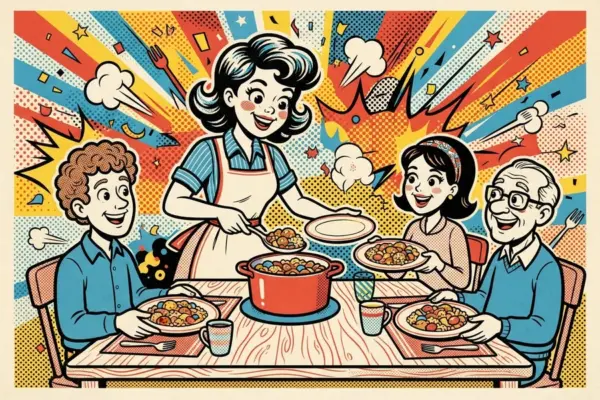
Steady Hand
«Nobody around you ever comes up short.»
The test is new — you are among the first hundred to take it.
You'll keep the routine untouched and split whatever's left over with everyone around you. The familiar over the untried, an even, or other-favoring, outcome over your own, and the safe bet over the unsure payoff — that's the shape of it.
A blended reading across these three is normal here too, not a weaker version of anything — each one runs on a spectrum, and most answers sit between the two ends. Here too, you lean the same direction on all three, just the opposite way — familiar, shared, and sure.
The strength is plain: nobody around you is left guessing, and nobody's left short either. That same consistency can also mean fewer real chances get taken on a bigger payoff, even one that would have cost no one else anything. Everyone at this table already knows what they're getting.
About this test
How this test works
This test runs on an old trick psychologists still lean on: make someone choose between two things with nothing in the middle, and the shape of those choices says more about a real leaning than one rating scale ever could. Instead of using that trick for a single leaning, this build applies it three separate times, once per dimension.
Dimension one is change: reaching for the unfamiliar and calling your own shots, versus sticking with what's already settled. Dimension two is interest: does the win mostly land on you, or does it get shared with whoever else is in the split? Dimension three is risk: choosing an unsure path with a bigger possible payoff, versus the option that's already locked down. Each dimension comes from its own separate body of research and operates independently — where you land on one says nothing about the other two. Combine all three positions and you get the eight-way result above.
Since the format never hands you a middle option, ending up near the midpoint on one or two of these dimensions is the normal, expected outcome, not proof the quiz couldn't get a clear signal. This is a brief self-portrait assembled from a quick run of binary picks, not a diagnostic tool. It isn't a stand-in for any specific quiz already out there, and it doesn't copy that quiz's results or names.
For background on two of these dimensions, see the theory of basic human values and the APA's entry on risk aversion.
Frequently asked questions
What does would you rather actually mean?
It's a party game with one hard rule: choose exactly one of two things, never both and never neither. This quiz takes that same forced choice and scores it, splitting the outcome eight ways instead of leaving the dilemmas as talking points for a group.
Can a would you rather quiz actually tell you anything about your personality?
A quick run of forced picks can surface a genuine leaning — this one tracks three separately researched angles: how much you lean toward change, whether you favor your own outcome over someone else's, and how at ease you are with a result that isn't guaranteed. Treat it as a rough sketch from a handful of answers, not a certified verdict on who you are.
Is would you rather the same thing as this or that?
Basically, yes — they're two different names for the same forced-choice format, and this build doesn't bother separating them into different topics.
Are would you rather questions always safe to ask?
Not everywhere — a lot of versions of this game reach for shock value or content that isn't for everyone. This particular build sticks to everyday questions about change, fairness, and risk, and leaves that other material out on purpose.
Sources
- Thurstone, L. L. (1927). A Law of Comparative Judgment. Psychological Review, 34(4), 273–286.
- Kahneman, D., & Tversky, A. (1979). Prospect Theory: An Analysis of Decision under Risk. Econometrica, 47(2), 263–291.
- Murphy, R. O., Ackermann, K. A., & Handgraaf, M. J. J. (2011). Measuring Social Value Orientation. Judgment and Decision Making, 6(8), 771–781.
- Schwartz, S. H. (2012). An Overview of the Schwartz Theory of Basic Values. Online Readings in Psychology and Culture, 2(1), Article 11. doi:10.9707/2307-0919.1116.
Three more tests on the same theme



Breakdown
There's a reason you answer the way you do
Most tests show you a slice of who you are. This one gets to the core: the classic 16-type personality test that goes back to Carl Jung, rebuilt from the ground up and way more accurate. It takes ten minutes, you only ever do it once — and you walk away with an answer most people never quite figure out: why you are the way you are. Why some people just get you, and why with others it's complicated. And that answer won't change: your type is yours for life.
Take the free testHow you compare
The test is new — you are among the first hundred to take it.
Three more tests on the same theme
About this test
How this test works
This test runs on an old trick psychologists still lean on: make someone choose between two things with nothing in the middle, and the shape of those choices says more about a real leaning than one rating scale ever could. Instead of using that trick for a single leaning, this build applies it three separate times, once per dimension.
Dimension one is change: reaching for the unfamiliar and calling your own shots, versus sticking with what's already settled. Dimension two is interest: does the win mostly land on you, or does it get shared with whoever else is in the split? Dimension three is risk: choosing an unsure path with a bigger possible payoff, versus the option that's already locked down. Each dimension comes from its own separate body of research and operates independently — where you land on one says nothing about the other two. Combine all three positions and you get the eight-way result above.
Since the format never hands you a middle option, ending up near the midpoint on one or two of these dimensions is the normal, expected outcome, not proof the quiz couldn't get a clear signal. This is a brief self-portrait assembled from a quick run of binary picks, not a diagnostic tool. It isn't a stand-in for any specific quiz already out there, and it doesn't copy that quiz's results or names.
For background on two of these dimensions, see the theory of basic human values and the APA's entry on risk aversion.
Frequently asked questions
What does would you rather actually mean?
It's a party game with one hard rule: choose exactly one of two things, never both and never neither. This quiz takes that same forced choice and scores it, splitting the outcome eight ways instead of leaving the dilemmas as talking points for a group.
Can a would you rather quiz actually tell you anything about your personality?
A quick run of forced picks can surface a genuine leaning — this one tracks three separately researched angles: how much you lean toward change, whether you favor your own outcome over someone else's, and how at ease you are with a result that isn't guaranteed. Treat it as a rough sketch from a handful of answers, not a certified verdict on who you are.
Is would you rather the same thing as this or that?
Basically, yes — they're two different names for the same forced-choice format, and this build doesn't bother separating them into different topics.
Are would you rather questions always safe to ask?
Not everywhere — a lot of versions of this game reach for shock value or content that isn't for everyone. This particular build sticks to everyday questions about change, fairness, and risk, and leaves that other material out on purpose.
Sources
- Thurstone, L. L. (1927). A Law of Comparative Judgment. Psychological Review, 34(4), 273–286.
- Kahneman, D., & Tversky, A. (1979). Prospect Theory: An Analysis of Decision under Risk. Econometrica, 47(2), 263–291.
- Murphy, R. O., Ackermann, K. A., & Handgraaf, M. J. J. (2011). Measuring Social Value Orientation. Judgment and Decision Making, 6(8), 771–781.
- Schwartz, S. H. (2012). An Overview of the Schwartz Theory of Basic Values. Online Readings in Psychology and Culture, 2(1), Article 11. doi:10.9707/2307-0919.1116.
