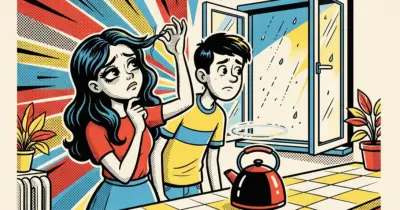
Prose Hair Quiz
What’s actually doing the most damage to your hair right now — and is it even the thing you’d guess? This test doesn’t score your hair’s own type or texture; it reads the everyday outside forces acting on it and hands you back one clear image of whichever load is leading. It takes about 5 minutes, and it’s a same-day snapshot of your habits, not a lab test or a diagnosis.
No sign-up. Your result right away.
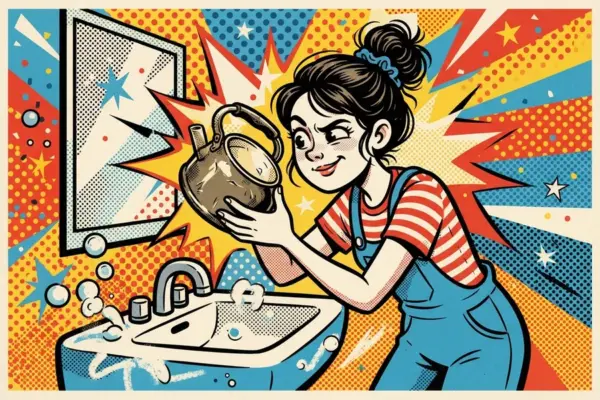
Mineral Memory
«You already know what your kettle looks like inside.»
The test is new — you are among the first hundred to take it.
You scrub the kettle, wipe the tap, and still catch that same faint white film creeping back within days. Mineral Memory — what your water and its minerals are doing to your hair is the load reading clearest in your answers, ahead of the other four.
It's the load you can check with your own hands, no number to look up — just what the kettle and your dry ends already show you. It builds slowly, so it's easy to wave off exactly because no single wash ever proves it.
Sun, air, heat and pollution are all acting on your hair at the same time — this result just names the one leading right now, and the rest show up in the other four scales on this page. Mineral Memory doesn't need to shout to be real.
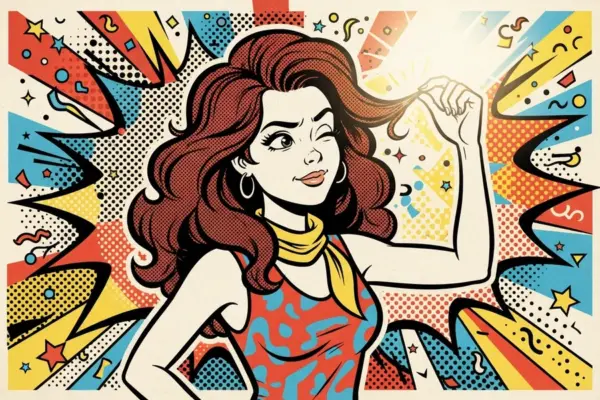
Solar Fade
«You can see this one in the mirror without trying.»
The test is new — you are among the first hundred to take it.
You spend real stretches under open sky, and your colour has quietly drifted a shade lighter than where it started. Solar Fade — what daily sun is doing to your hair is the load reading clearest in your answers, ahead of the other four.
You're carrying the most visible of the five loads. Colour and ends both show it in plain sight, no guessing required. You can shrug it off as just sun, but that undersells the steady structural toll it actually is.
Water, air, heat and pollution are all acting on your hair at the same time too — this result just names the one leading right now, and the rest show up in the other four scales on this page. Solar Fade is loud, but it isn't the whole story.
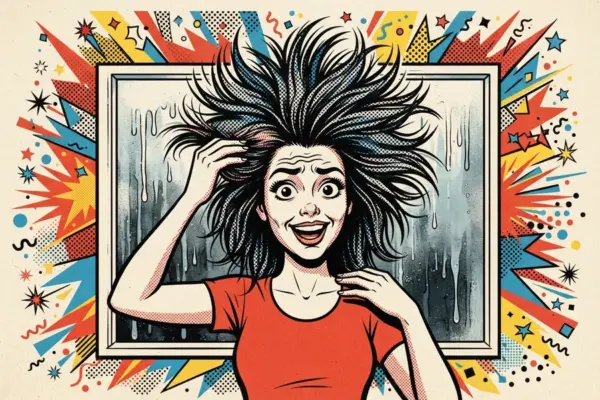
Weather Vane
«You can feel the air changing before you check the sky.»
The test is new — you are among the first hundred to take it.
One day your style holds all afternoon, and two days later, in air that barely feels different, it collapses within the hour. Weather Vane — what swinging air is doing to your hair is the load reading clearest in your answers, ahead of the other four.
You've probably clocked this pattern already, long before anything asked you to look for it. The honest nuance: swinging air mostly reveals what your hair already does, rather than damaging it from nothing — worth knowing before you blame the weather for everything.
Water, sun, heat and pollution are all acting on your hair at the same time — this result just names the one leading right now, so check those four other scales on this page before you blame the weather.
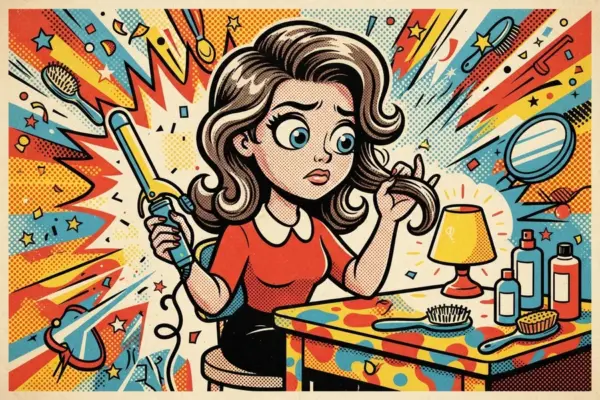
Heat Seeker
«You already know exactly how much heat your hair sees.»
The test is new — you are among the first hundred to take it.
You reach for a heat tool most times you style, push it toward its highest setting, and skip the protecting step in a hurry. Heat Seeker — what your heat styling is doing to your hair is the load reading clearest in your answers, ahead of the other four.
Of all five loads, this one has the clearest evidence behind it and sits most directly in your hands, even though a routine rarely feels like a load — it just feels like how you do your hair.
Water, sun, air and pollution are all acting on your hair at the same time — this result just names the one leading right now, and the rest show up in the other four scales on this page. The dial in your hand is where this one begins.
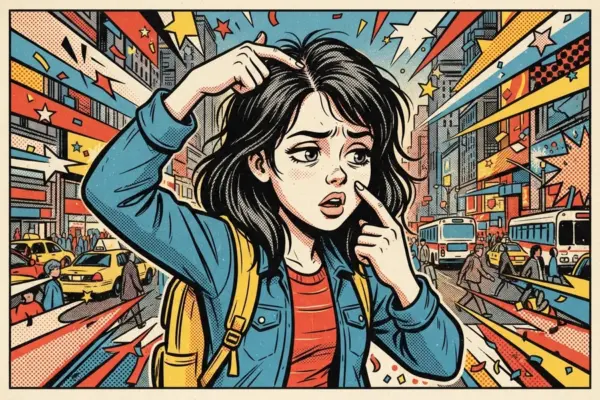
City Film
«You can feel your day on your hair before you even look.»
The test is new — you are among the first hundred to take it.
Most of your week plays out in dense, high-traffic streets, and by evening your hair already feels gritty enough to move your wash day earlier. City Film — what your everyday surroundings are doing to your hair is the load reading clearest in your answers, ahead of the other four.
The evidence behind this one is real. It's drawn from broad, population-level patterns rather than a single case. So the fair reading stays at the level of exposure and daily sensation for your hair — not a verdict on any one strand.
Water, sun, air and heat are all acting on your hair at the same time, and this result just names the one leading right now — the rest of your mix is sitting right there in the other four scales on this page.
About this test
How this test works
Dermatologists have a term for the sum of everyday outside forces that leave a mark on hair over time: the exposome. This test borrows that lens and keeps it firmly separate from anything about how the hair itself is built — no texture, porosity or density here. Instead it tracks five things reaching hair from the outside: mineral-rich water, sun, ambient humidity, your routine with hot tools, and stretches of time in crowded, built-up places. Every score comes from a scene you can judge for yourself, never from a figure you'd have to search for about where you live.
Two other everyday habits, stress and diet, come with genuine research behind them but never turn into a score here. What's known about stress and hair leans mostly on animal studies, and the strongest diet findings describe a diagnosed nutrient shortfall, not ordinary meals — neither fits a quiz answered in one sitting.
What you get is a read on one ordinary day — enough to notice a pattern, though nowhere near a controlled measurement, and it draws no medical conclusion of any kind. For background on two of the ideas behind this test, see this overview of dry hair and its causes and this explanation of how water hardness is measured.
None of this replaces time with a dermatologist or another qualified professional who can actually examine your hair and scalp in person — what's here stays limited to everyday, outside-world exposure.
Frequently asked questions
How does this hair quiz actually work?
Twenty quick questions split evenly across five outside forces: your water, your sun exposure, the air, your heat styling, and your surroundings. None of it asks you to search up a number about your city or postcode — you're only ever describing what you'd already noticed on your own. Whichever of the five reads loudest by the last question is the one you get.
Is a quiz like this actually accurate?
Think of it as a mirror held up for one day, not a lab reading. It's built to help you notice a pattern in how you already treat and experience your hair — not to hand you a precise verdict down to the decimal.
Does hard water really do anything to hair?
Yes — researchers have actually looked at strands under a microscope and found real physical changes tied to mineral-heavy water. What it won't do is show up after one shower: it's a slow build that takes a household's worth of months to register, which is exactly why so many people never connect the two.
Does humidity actually cause frizz?
There's something physical going on: water molecules work their way into each strand and change how it sits next to its neighbours. But the fairer way to describe it is that damp air mostly turns up the volume on frizz your hair was always going to show, rather than inventing it out of nowhere.
What about stress or diet — don't those affect hair too?
They can, genuinely — but you won't find either one turning into a score here. Most of what's known about stress and hair comes from lab animals, not people going about ordinary weeks. And the clearest diet findings are tied to someone already lacking a specific nutrient, which is a different question from what an average plate looks like. Leaving them named but unscored beats either ignoring them or claiming more certainty than either topic can back up.
Sources
- Cedirian, S., Prudkin, L., Piraccini, B.M., Santamaria, J., Piquero-Casals, J., & Saceda-Corralo, D. (2025). The exposome impact on hair health: etiology, pathogenesis and clinical features – Part I. Anais Brasileiros de Dermatologia, 100(1), 131–140. doi:10.1016/j.abd.2024.07.003.
- Cedirian, S., Prudkin, L., Santana, J.A., et al. (2025). The exposome impact on hair health: non-pharmacological management. Part II. Anais Brasileiros de Dermatologia, 100(2), 322–327. doi:10.1016/j.abd.2024.08.006.
- Srinivasan, G., & Rangachari, S.C. (2016). Scanning electron microscopy of hair treated in hard water. International Journal of Dermatology, 55(6), e344–e346. doi:10.1111/ijd.13141.
Three more tests on the same theme
Breakdown
There's a reason you answer the way you do
Most tests show you a slice of who you are. This one gets to the core: the classic 16-type personality test that goes back to Carl Jung, rebuilt from the ground up and way more accurate. It takes ten minutes, you only ever do it once — and you walk away with an answer most people never quite figure out: why you are the way you are. Why some people just get you, and why with others it's complicated. And that answer won't change: your type is yours for life.
Take the free testHow you compare
The test is new — you are among the first hundred to take it.
Three more tests on the same theme
About this test
How this test works
Dermatologists have a term for the sum of everyday outside forces that leave a mark on hair over time: the exposome. This test borrows that lens and keeps it firmly separate from anything about how the hair itself is built — no texture, porosity or density here. Instead it tracks five things reaching hair from the outside: mineral-rich water, sun, ambient humidity, your routine with hot tools, and stretches of time in crowded, built-up places. Every score comes from a scene you can judge for yourself, never from a figure you'd have to search for about where you live.
Two other everyday habits, stress and diet, come with genuine research behind them but never turn into a score here. What's known about stress and hair leans mostly on animal studies, and the strongest diet findings describe a diagnosed nutrient shortfall, not ordinary meals — neither fits a quiz answered in one sitting.
What you get is a read on one ordinary day — enough to notice a pattern, though nowhere near a controlled measurement, and it draws no medical conclusion of any kind. For background on two of the ideas behind this test, see this overview of dry hair and its causes and this explanation of how water hardness is measured.
None of this replaces time with a dermatologist or another qualified professional who can actually examine your hair and scalp in person — what's here stays limited to everyday, outside-world exposure.
Frequently asked questions
How does this hair quiz actually work?
Twenty quick questions split evenly across five outside forces: your water, your sun exposure, the air, your heat styling, and your surroundings. None of it asks you to search up a number about your city or postcode — you're only ever describing what you'd already noticed on your own. Whichever of the five reads loudest by the last question is the one you get.
Is a quiz like this actually accurate?
Think of it as a mirror held up for one day, not a lab reading. It's built to help you notice a pattern in how you already treat and experience your hair — not to hand you a precise verdict down to the decimal.
Does hard water really do anything to hair?
Yes — researchers have actually looked at strands under a microscope and found real physical changes tied to mineral-heavy water. What it won't do is show up after one shower: it's a slow build that takes a household's worth of months to register, which is exactly why so many people never connect the two.
Does humidity actually cause frizz?
There's something physical going on: water molecules work their way into each strand and change how it sits next to its neighbours. But the fairer way to describe it is that damp air mostly turns up the volume on frizz your hair was always going to show, rather than inventing it out of nowhere.
What about stress or diet — don't those affect hair too?
They can, genuinely — but you won't find either one turning into a score here. Most of what's known about stress and hair comes from lab animals, not people going about ordinary weeks. And the clearest diet findings are tied to someone already lacking a specific nutrient, which is a different question from what an average plate looks like. Leaving them named but unscored beats either ignoring them or claiming more certainty than either topic can back up.
Sources
- Cedirian, S., Prudkin, L., Piraccini, B.M., Santamaria, J., Piquero-Casals, J., & Saceda-Corralo, D. (2025). The exposome impact on hair health: etiology, pathogenesis and clinical features – Part I. Anais Brasileiros de Dermatologia, 100(1), 131–140. doi:10.1016/j.abd.2024.07.003.
- Cedirian, S., Prudkin, L., Santana, J.A., et al. (2025). The exposome impact on hair health: non-pharmacological management. Part II. Anais Brasileiros de Dermatologia, 100(2), 322–327. doi:10.1016/j.abd.2024.08.006.
- Srinivasan, G., & Rangachari, S.C. (2016). Scanning electron microscopy of hair treated in hard water. International Journal of Dermatology, 55(6), e344–e346. doi:10.1111/ijd.13141.
