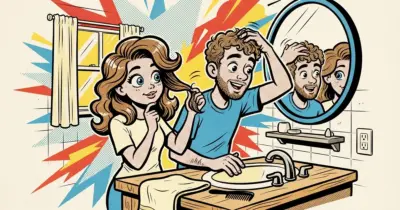
Kerastase Hair Quiz
Your hair drops hints all day, and it’s easy to tune them out. Answer a few quick questions about your everyday routine and get a clear, specific read on which of four hair needs is asking the loudest right now — an image, not a score, and no invented stats about anyone else’s hair. Takes about six minutes. It’s a fun, honest snapshot, not a replacement for an actual conversation with a stylist or dermatologist if something’s genuinely bothering you.
No sign-up. Your result right away.
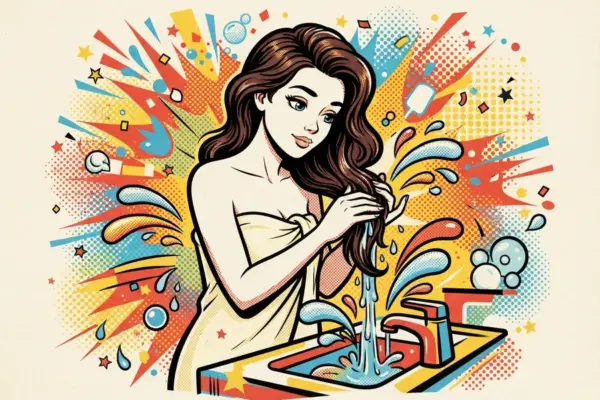
The Sponge
«Your hair keeps asking, and you keep skipping the answer.»
The test is new — you are among the first hundred to take it.
You towel off, get dressed, and check the mirror one more time before heading out — and your ends still feel thirsty, pulling at your fingers like they never quite got what they needed. Right now, moisture is the thing your hair is asking for the loudest.
This one's easy to read: you can feel it in how fast your hair dries and how quickly anything you put on sinks in. That's the advantage — you're not guessing. But let wash timing or heat exposure slide and the thirst comes right back, sulking through every step of getting ready.
Moisture is leading today, but it isn't the only signal — repair, oil control, and density are all quietly doing their own thing underneath, worth a glance at your percentages there too. Either way, your hair's asking loud and clear.
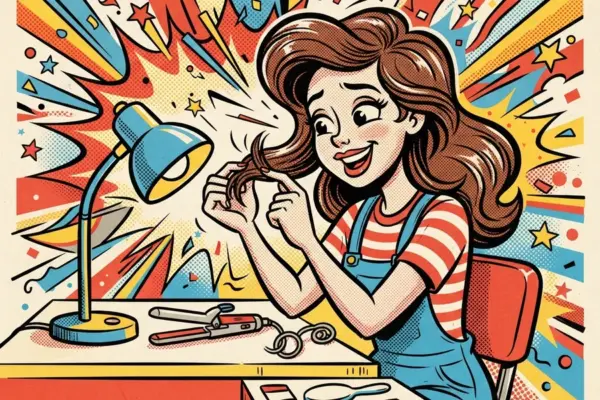
The Phoenix
«You put your hair through a lot, and it remembers.»
The test is new — you are among the first hundred to take it.
You catch the ends of a strand between two fingers under the bathroom light, checking how rough they've gotten since the last time you reached for a heat tool or a color change. Right now, recovery is what your hair is asking for the loudest.
There's a clear cause here, which almost feels like a relief — you know exactly what led to this, whether it was heat, color, or both. The catch: it adds up. Skip a protective step or reach for the highest setting one time too many, and the debt just keeps compounding.
For now, recovery is out in front — though moisture, oil control, and density are all sitting right behind it, so check your percentages there too before treating this as the whole picture. That's worth the patience.

The Refresh
«Your scalp keeps a schedule, whether you like it or not.»
The test is new — you are among the first hundred to take it.
You pull your hair back into a ponytail in front of the hallway mirror, one hand pressed flat against your roots, checking how long you've actually got before they start showing again. Right now, managing oil is what your hair wants you to focus on.
This is the easiest of the four to catch — you already notice it, no detective work required. The irony is that it resets the fastest too: skip a wash or run one extra errand in a cap, and the clock starts right back at zero.
Oil control tops the list at the moment, but moisture, recovery, and density are all close behind — worth checking your numbers on those three as well. You'll hear from it again soon enough.
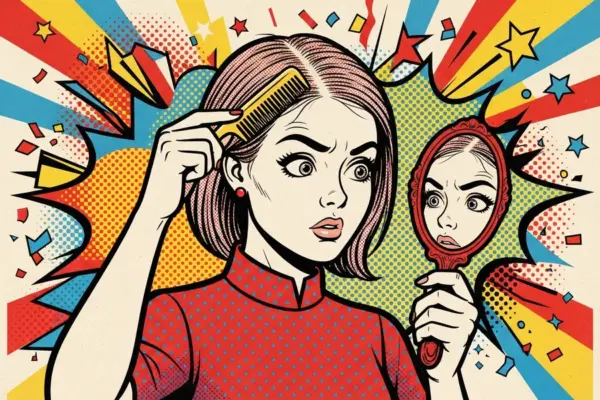
The Feather
«Your hair takes its time. So do you.»
The test is new — you are among the first hundred to take it.
You twist your hair into a bun in the elevator mirror and it barely fills your fist, loose strands slipping free every time you wind them back. Your scalp shows along the part before you've finished pinning it. Right now, density is what your hair is asking for the loudest.
Of the four, this is the one that barely budges — reassuring, right up until you're the one waiting on it to shift. Skip the protective step before a rough brushing or a too-tight elastic, and the strands you lose don't exactly rush to grow back.
Density is leading the pack today, but moisture, recovery, and oil control are all sitting close behind it — worth a look at your percentages there too. This one moves on its own schedule. So do you, apparently.
About this test
How this test works
This test doesn't average hair into one grade. Instead of a single rating, it asks about four areas on their own terms: how the hair behaves around moisture, what its recent history of coloring, heat, or chemical treatment suggests about recovery, how quickly scalp oil becomes noticeable, and how density and fullness show up day to day.
Each answer draws on ordinary, everyday observation — how fast hair dries, how a strand feels, how it looks in the mirror — rather than anything measured in a lab. That distinction matters, because some hair properties genuinely need instruments to measure with any precision; a self-report can point toward a tendency but not an exact reading, as research on the genetics of hair texture makes clear.
This test also skips the well-known numbered-and-lettered curl-type system entirely. Critics have pushed back on that system for years, mainly because it sorted people's hair into fixed categories that lined up with ethnic background — a history laid out in the write-up on the Andre Walker Hair Typing System. This test doesn't use any of those category labels.
Finally, this paints a general picture from your own answers. If something specific is going on with your scalp or you're worried about your hair, a stylist or dermatologist is still the better call than any quiz.
Frequently asked questions
What type of hair do I have?
Texture is only one piece of a bigger picture — this test doesn't sort you into a category. It looks at what your hair is asking for right now across four different needs, and your result names whichever one is currently loudest.
Is hair texture determined by genetics?
Largely, yes — the natural shape a strand falls into and how thick it feels are mostly set by genetics. Your day-to-day habits won't change that underlying texture, but they absolutely shape the condition your hair is in and what it needs from you right now.
How do I know if my hair is high or low porosity?
You can't know for certain without lab equipment — true porosity is a technical measurement, not something you can judge just by looking. This test sets that term aside and asks about things you can actually observe, like how fast your hair dries or how something you apply behaves.
How accurate is a hair-type quiz like this?
It's exactly as accurate as your own honest answers about your everyday hair — no more, no less. This isn't a lab test or a diagnosis; it's a read on your current tendencies, built entirely from what you tell it.
Sources
- Krueger, L., Aguh, C., Peterson, E., Thomas, J., James, J., Lo Sicco, K., & Shapiro, J. (2022). "Curl pattern classification: A potential tool for communication and risk stratification." International Journal of Women's Dermatology, 8(2), e015. doi:10.1097/JW9.0000000000000015.
- Mkentane, K., Van Wyk, J.C., Sishi, N., Gumedze, F., Ngoepe, M., Davids, L.M., & Khumalo, N.P. (2017). "Geometric classification of scalp hair for valid drug testing, 6 more reliable than 8 hair curl groups." PLoS ONE, 12(6), e0172834. doi:10.1371/journal.pone.0172834.
- Hessefort, Y., Holland, B.T., & Cloud, R.W. (2008). "True porosity measurement of hair: a new way to study hair damage mechanisms." Journal of Cosmetic Science, 59(4), 303–315. PMID: 18818850.
- Dhurat, R., & Saraogi, P. (2009). "Hair evaluation methods: Merits and demerits." International Journal of Trichology, 1(2), 108–119. doi:10.4103/0974-7753.58553.
Three more tests on the same theme


Breakdown
There's a reason you answer the way you do
Most tests show you a slice of who you are. This one gets to the core: the classic 16-type personality test that goes back to Carl Jung, rebuilt from the ground up and way more accurate. It takes ten minutes, you only ever do it once — and you walk away with an answer most people never quite figure out: why you are the way you are. Why some people just get you, and why with others it's complicated. And that answer won't change: your type is yours for life.
Take the free testHow you compare
The test is new — you are among the first hundred to take it.
Three more tests on the same theme
About this test
How this test works
This test doesn't average hair into one grade. Instead of a single rating, it asks about four areas on their own terms: how the hair behaves around moisture, what its recent history of coloring, heat, or chemical treatment suggests about recovery, how quickly scalp oil becomes noticeable, and how density and fullness show up day to day.
Each answer draws on ordinary, everyday observation — how fast hair dries, how a strand feels, how it looks in the mirror — rather than anything measured in a lab. That distinction matters, because some hair properties genuinely need instruments to measure with any precision; a self-report can point toward a tendency but not an exact reading, as research on the genetics of hair texture makes clear.
This test also skips the well-known numbered-and-lettered curl-type system entirely. Critics have pushed back on that system for years, mainly because it sorted people's hair into fixed categories that lined up with ethnic background — a history laid out in the write-up on the Andre Walker Hair Typing System. This test doesn't use any of those category labels.
Finally, this paints a general picture from your own answers. If something specific is going on with your scalp or you're worried about your hair, a stylist or dermatologist is still the better call than any quiz.
Frequently asked questions
What type of hair do I have?
Texture is only one piece of a bigger picture — this test doesn't sort you into a category. It looks at what your hair is asking for right now across four different needs, and your result names whichever one is currently loudest.
Is hair texture determined by genetics?
Largely, yes — the natural shape a strand falls into and how thick it feels are mostly set by genetics. Your day-to-day habits won't change that underlying texture, but they absolutely shape the condition your hair is in and what it needs from you right now.
How do I know if my hair is high or low porosity?
You can't know for certain without lab equipment — true porosity is a technical measurement, not something you can judge just by looking. This test sets that term aside and asks about things you can actually observe, like how fast your hair dries or how something you apply behaves.
How accurate is a hair-type quiz like this?
It's exactly as accurate as your own honest answers about your everyday hair — no more, no less. This isn't a lab test or a diagnosis; it's a read on your current tendencies, built entirely from what you tell it.
Sources
- Krueger, L., Aguh, C., Peterson, E., Thomas, J., James, J., Lo Sicco, K., & Shapiro, J. (2022). "Curl pattern classification: A potential tool for communication and risk stratification." International Journal of Women's Dermatology, 8(2), e015. doi:10.1097/JW9.0000000000000015.
- Mkentane, K., Van Wyk, J.C., Sishi, N., Gumedze, F., Ngoepe, M., Davids, L.M., & Khumalo, N.P. (2017). "Geometric classification of scalp hair for valid drug testing, 6 more reliable than 8 hair curl groups." PLoS ONE, 12(6), e0172834. doi:10.1371/journal.pone.0172834.
- Hessefort, Y., Holland, B.T., & Cloud, R.W. (2008). "True porosity measurement of hair: a new way to study hair damage mechanisms." Journal of Cosmetic Science, 59(4), 303–315. PMID: 18818850.
- Dhurat, R., & Saraogi, P. (2009). "Hair evaluation methods: Merits and demerits." International Journal of Trichology, 1(2), 108–119. doi:10.4103/0974-7753.58553.
