
Relationship Trauma Test
What did a past relationship leave in you, on an ordinary Tuesday? Answer a set of everyday scenes about how you feel and act now, and you get an image of how much of it still shows up in your day. Four minutes. One honest line: this is a self-report about today, so read the result as a mirror, not a ruling.
No sign-up. Your result right away.

Open Window
«You walk into today with both hands free.»
The test is new — you are among the first hundred to take it.
You reply to a message from someone new, settle on a plan for Saturday, and fall asleep before the second episode ends. Nothing in the day sends you anywhere else. The old relationship sits so far back in your daily life that you would need a map to find it.
New people, new plans and stray thoughts all meet you on their own terms, and the past does very little of the work. That freedom is yours, and it is worth enjoying.
The price of traveling this light is small: with so little tugging at you, a stray moment that does carry weight can slip past unnoticed. It is a fair trade, and your window stays open.
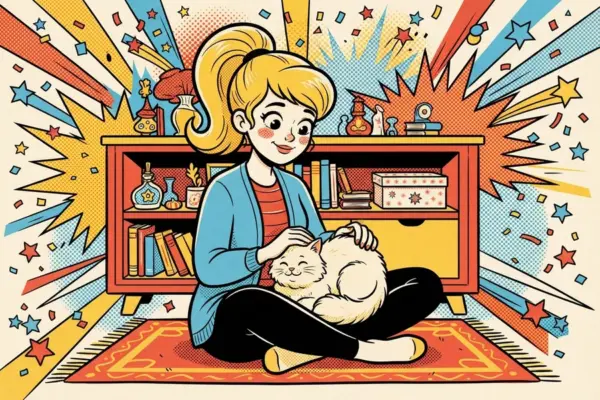
Warm Corner
«You hear a few echoes, and you still run your own day.»
The test is new — you are among the first hundred to take it.
You're on your way to a friend's place when a thought about the old relationship drops in and sits down beside you. You nod at it, talk about something else, and the evening stays yours. Read together, the answers say it comes by for short visits and leaves before dinner.
Daily routines, trust and closeness mostly run on your terms. The echoes that do turn up are real all the same, and worth a name of their own. Waving them off would be the only mistake on offer.
Your day runs on your terms, and a few echoes are a small toll for that.
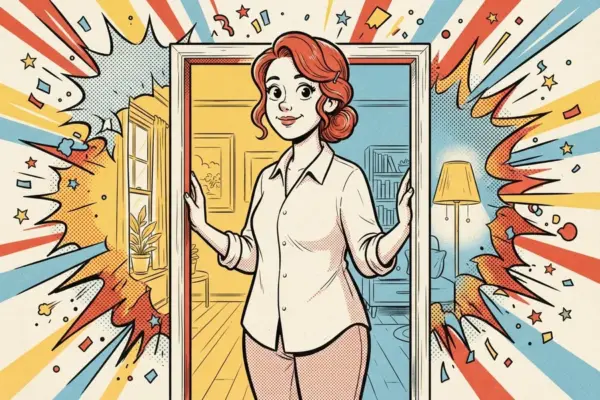
Ajar Door
«You're standing in the doorway, and both rooms are real.»
The test is new — you are among the first hundred to take it.
Monday you're easy with someone new. Tuesday a small pause in a conversation puts you on watch for an hour, and by Wednesday you're laughing about it. Across the five areas the picture is honestly mixed: no slope toward calm, none toward strain.
Mixed is a result, not a shrug. Some areas sit quiet and others hold a real trace, and each earns its own line: how you react, whom you trust, how near you let people come, how you talk to yourself, how you sleep. Nudge one answer and you could land on the neighboring step.
Calling a mixed picture mixed is a skill in its own right; plenty of people talk themselves into a slope. Which room are you standing in today?
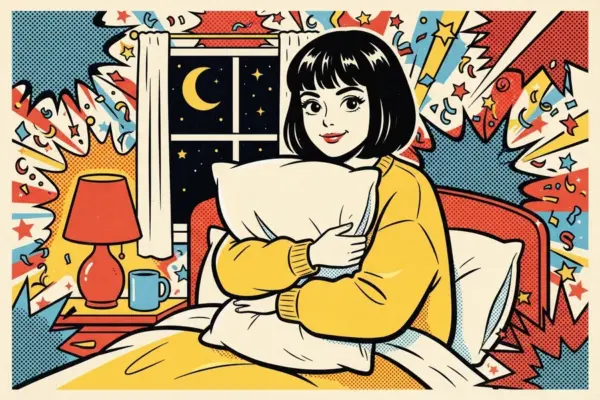
Night Lamp
«You know exactly where the echoes live, and that counts.»
The test is new — you are among the first hundred to take it.
You plan your evening, then plan around it: which seat, which pace, which way out. Nobody sees the second plan, and it still takes up room. The old relationship is audible in more than one corner of your day, and your answers place it there plainly.
Naming this so precisely is your strength: you can point to where it shows and how, which gives you something firm to hold. The cost is energy. Managing and detouring take a slice of your day that other people spend elsewhere.
You see the weight accurately, and accuracy is worth having.

Heavy Blanket
«You are not imagining how much this weighs.»
The test is new — you are among the first hundred to take it.
You wake tired, brace before you've read a single message, and measure the day by what might stir something. Across reacting, trusting, getting close, seeing yourself and sleeping, your answers put the old relationship near the front of almost everything you do.
Each of these five areas has been studied closely, so what you are describing has solid ground under it. The weight is broad, and it may well reach your days, your closeness, your sleep and the way you see yourself at once.
If this gets in the way of living today, it is worth talking with a specialist who works with trauma. The second reading in the methodology section names that help too. The pace is yours.
About this test
How this test works
Five everyday patterns sit at the center of this test, each drawn from research on how a painful earlier relationship can shape the present: how strongly you react emotionally, how much you watch partners for warning signs, how close you let people get, how you judge and blame yourself, and how your body and sleep respond. It measures how heavily each one weighs on you now, by your own report.
The test covers only what remains once a relationship is over or has changed. A tie with someone who is causing harm right now is a separate topic, trauma bonding, and it is not covered here.
The questions steer clear of what went on in that relationship. Nothing asks you to label what a partner did, and no verdict is passed on a partner or on whether the relationship was harmful.
PTSD and its complex form come up only to mark a limit: a qualified professional alone can assess them, and a result here reflects how heavily things weigh today, not a clinical conclusion. About that diagnosis, see the NIMH page on PTSD. On how romantic betrayal affects trust and watchfulness, see Greater Good on surviving betrayal.
Nothing here is diagnostic or a stand-in for talking with a qualified professional.
Frequently asked questions
Do old relationships keep shaping how you feel and act years later?
They can, according to the research behind this test. Sleep, self-image, closeness, trust and emotional reactions are among the lasting effects that research describes after a hard relationship, however much time has gone by.
What separates this from trauma bonding?
The term trauma bonding covers an attachment to someone who is harming a person now or did so recently. Here the focus is elsewhere: how a relationship that is over or altered still colors your reactions today. Whether you are attached to anyone at present is not asked.
Does this test diagnose PTSD?
No. Only a licensed professional can say whether PTSD, or its complex form, applies, and only through an assessment of their own. For that, a licensed mental health professional or a doctor is the place to start. Your result shows how strongly certain patterns are present for you today, by your own report, and it can neither confirm nor rule anything out.
Can the end of a relationship really count as trauma, or is that overstating a breakup?
The test never presumes that your relationship was a severe one. What research does describe is a lasting pattern of impact after some relationships, different from the grief of an everyday breakup, and the test treats that possibility as worth attention.
Sources
- Vandervoort, D., & Rokach, A. (2003). "Posttraumatic Relationship Syndrome: The Conscious Processing of the World of Trauma." Social Behavior and Personality: An International Journal, 31(7), 675-685. doi:10.2224/sbp.2003.31.7.675
- Johnson, S. M., Makinen, J. A., & Millikin, J. W. (2001). "Attachment Injuries in Couple Relationships: A New Perspective on Impasses in Couples Therapy." Journal of Marital and Family Therapy, 27(2), 145-155. doi:10.1111/j.1752-0606.2001.tb01152.x
- Lonergan, M., Brunet, A., Rivest-Beauregard, M., & Groleau, D. (2021). "Is Romantic Partner Betrayal a Form of Traumatic Experience? A Qualitative Study." Stress and Health, 37(1), 19-31. doi:10.1002/smi.2968.
- Mikulincer, M., & Shaver, P. R. (2012). "Adult Attachment Orientations and Relationship Processes." Journal of Family Theory & Review, 4(4), 259-274. doi:10.1111/j.1756-2589.2012.00142.x
Three more tests on the same theme
Breakdown
There's a reason you answer the way you do
Most tests show you a slice of who you are. This one gets to the core: the classic 16-type personality test that goes back to Carl Jung, rebuilt from the ground up and way more accurate. It takes ten minutes, you only ever do it once — and you walk away with an answer most people never quite figure out: why you are the way you are. Why some people just get you, and why with others it's complicated. And that answer won't change: your type is yours for life.
Take the free testHow you compare
The test is new — you are among the first hundred to take it.
Three more tests on the same theme
About this test
How this test works
Five everyday patterns sit at the center of this test, each drawn from research on how a painful earlier relationship can shape the present: how strongly you react emotionally, how much you watch partners for warning signs, how close you let people get, how you judge and blame yourself, and how your body and sleep respond. It measures how heavily each one weighs on you now, by your own report.
The test covers only what remains once a relationship is over or has changed. A tie with someone who is causing harm right now is a separate topic, trauma bonding, and it is not covered here.
The questions steer clear of what went on in that relationship. Nothing asks you to label what a partner did, and no verdict is passed on a partner or on whether the relationship was harmful.
PTSD and its complex form come up only to mark a limit: a qualified professional alone can assess them, and a result here reflects how heavily things weigh today, not a clinical conclusion. About that diagnosis, see the NIMH page on PTSD. On how romantic betrayal affects trust and watchfulness, see Greater Good on surviving betrayal.
Nothing here is diagnostic or a stand-in for talking with a qualified professional.
Frequently asked questions
Do old relationships keep shaping how you feel and act years later?
They can, according to the research behind this test. Sleep, self-image, closeness, trust and emotional reactions are among the lasting effects that research describes after a hard relationship, however much time has gone by.
What separates this from trauma bonding?
The term trauma bonding covers an attachment to someone who is harming a person now or did so recently. Here the focus is elsewhere: how a relationship that is over or altered still colors your reactions today. Whether you are attached to anyone at present is not asked.
Does this test diagnose PTSD?
No. Only a licensed professional can say whether PTSD, or its complex form, applies, and only through an assessment of their own. For that, a licensed mental health professional or a doctor is the place to start. Your result shows how strongly certain patterns are present for you today, by your own report, and it can neither confirm nor rule anything out.
Can the end of a relationship really count as trauma, or is that overstating a breakup?
The test never presumes that your relationship was a severe one. What research does describe is a lasting pattern of impact after some relationships, different from the grief of an everyday breakup, and the test treats that possibility as worth attention.
Sources
- Vandervoort, D., & Rokach, A. (2003). "Posttraumatic Relationship Syndrome: The Conscious Processing of the World of Trauma." Social Behavior and Personality: An International Journal, 31(7), 675-685. doi:10.2224/sbp.2003.31.7.675
- Johnson, S. M., Makinen, J. A., & Millikin, J. W. (2001). "Attachment Injuries in Couple Relationships: A New Perspective on Impasses in Couples Therapy." Journal of Marital and Family Therapy, 27(2), 145-155. doi:10.1111/j.1752-0606.2001.tb01152.x
- Lonergan, M., Brunet, A., Rivest-Beauregard, M., & Groleau, D. (2021). "Is Romantic Partner Betrayal a Form of Traumatic Experience? A Qualitative Study." Stress and Health, 37(1), 19-31. doi:10.1002/smi.2968.
- Mikulincer, M., & Shaver, P. R. (2012). "Adult Attachment Orientations and Relationship Processes." Journal of Family Theory & Review, 4(4), 259-274. doi:10.1111/j.1756-2589.2012.00142.x
